Building a Formation from Noise
Operation Fortitude, the Allied deception plan supporting the June 1944 landings in Normandy, rested on a single operational requirement: persuade German intelligence that the main Allied effort would fall in the Pas-de-Calais rather than Normandy, and keep that belief credible long enough after D-Day to hold the reserves in place. The first half of the problem — creating a notional First United States Army Group under General George Patton — was largely a matter of ground signals work. The second half was harder.
The German army's order-of-battle section (Fremde Heere West) worked by cross-referencing sources: agent reports, aerial reconnaissance, prisoner statements, and above all radio intercepts. A division that existed on paper but never generated signals was invisible; worse, a sudden absence of signals where traffic had been expected would itself register as anomalous. Fortitude South's signals planners understood this early: a credible fictional formation had to have a credible signals life.
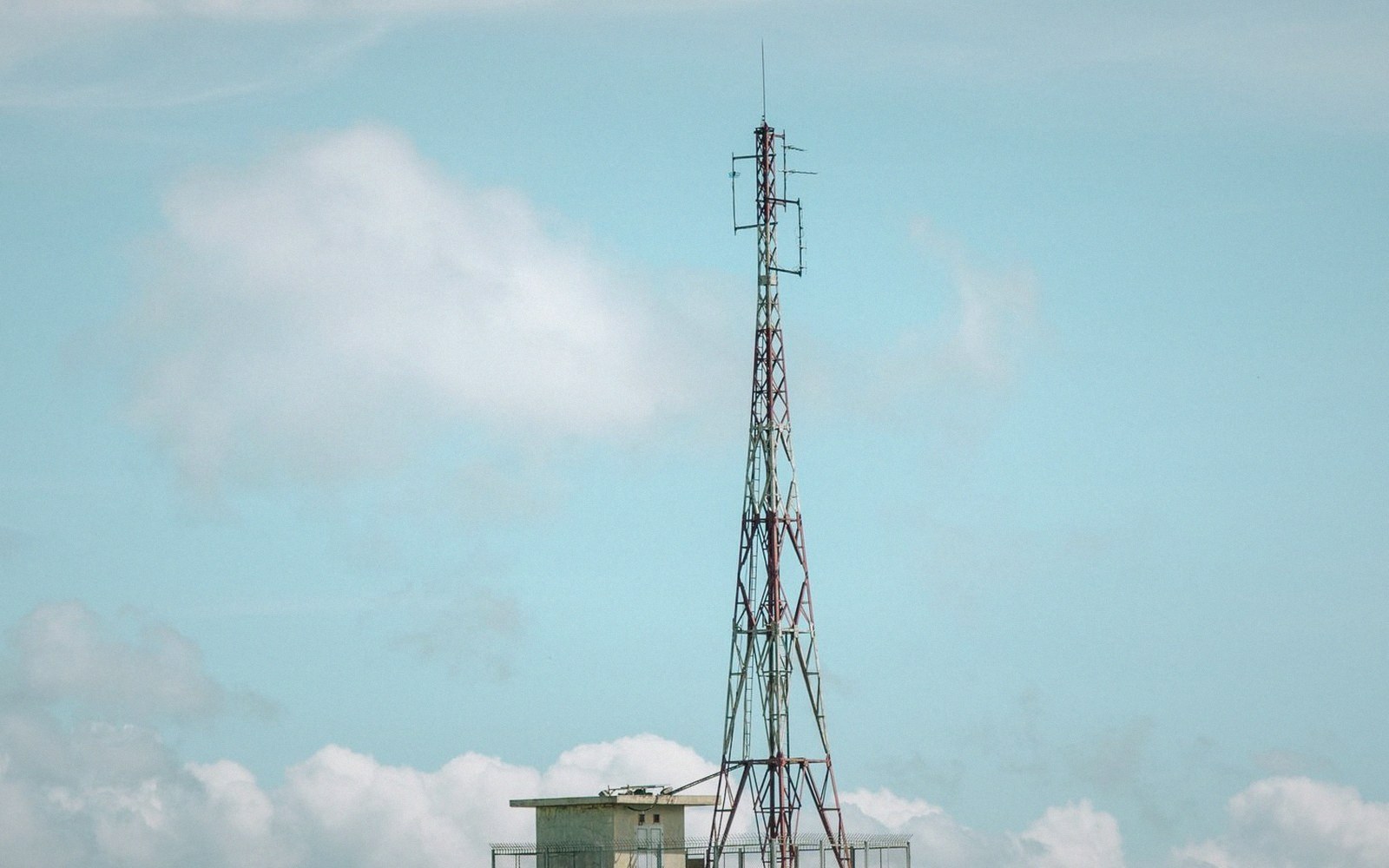
The solution was systematic wireless deception. Real signals units, operating from south-east England, transmitted the routine traffic — administrative, logistical, training — that a genuine formation of FUSAG's scale would produce. This meant not simply broadcasting callsigns but replicating the procedures, densities and message categories that German monitoring stations at Kootwijk in the Netherlands and elsewhere had learned to associate with particular formation types. A corps headquarters generated different traffic patterns from an army headquarters; a supply echelon looked different from a signals regiment. The wireless operators on the British side were reproducing institutional fingerprints.
The Maintenance Problem
What made Fortitude unusual — and genuinely difficult — was the requirement to sustain the deception after the Normandy landings began on 6 June 1944. Most strategic deception operations collapse at first contact with reality; Fortitude had to survive it. The FUSAG fiction needed to remain plausible through June and into July, during the weeks when German reserves, including the 15th Army in the Pas-de-Calais, remained uncommitted.
This created an acute signals management problem. As real formations crossed to Normandy and were identified in combat — by prisoner capture, by reconnaissance, by communications intercepts — they had to be quietly retired from the FUSAG order of battle without creating a gap. New notional units had to be fed in. The London Controlling Section and SHAEF's Ops B deception staff maintained running files on which notional formations were still plausible, which had been burned by combat identification, and which genuine units could still be plausibly notional because the Germans had not yet confirmed them in theatre. It was, in effect, a continuously revised fiction.
The double-cross agents — particularly GARBO, the Spaniard Juan Pujol García, whose network of invented sub-agents was entirely controlled by MI5 — supplied the human intelligence thread that gave the signals traffic its interpretation. German intelligence used Abwehr agent reports to validate what their signals monitors were collecting; when both sources corroborated the same FUSAG structure, the fiction became self-reinforcing. The signals provided volume and regularity; the agents provided the apparent confirmation.
The German files on Allied order of battle by June 1944 credited FUSAG with a formation strength that far exceeded the real Allied reserve. When Rommel and von Rundstedt argued about whether to commit the armoured reserves after the Normandy landings, the German estimate of what Patton might still deliver against the Calais coast was a material factor in that calculation — not decisive, but genuinely constraining.
The Fortitude planners could not know precisely how much weight the Germans were placing on any single thread of their deception. What they could do was maintain signal density, manage notional unit rotation, and ensure that nothing in the traffic record contradicted the order of battle their agents were selling. The fiction held until it was no longer needed.