The signature · 7 plates
The Plate Section
Photographs here are evidence, not decoration. Each plate is numbered and captioned with the claim it supports, and the caption is the editorial voice of this publication — not a label for the picture above it.

Plate 01The Operational LayerIllustration: generated
An assault beach after the tide has put the sand back. Obstacles sit at a fixed height on the foreshore, which makes the choice of H-hour a choice about which problem you would rather have.

Plate 02The Operational LayerIllustration: generated
One road on a folded sheet. A corridor is a ceiling, and this one was fixed before the operation was authorised.
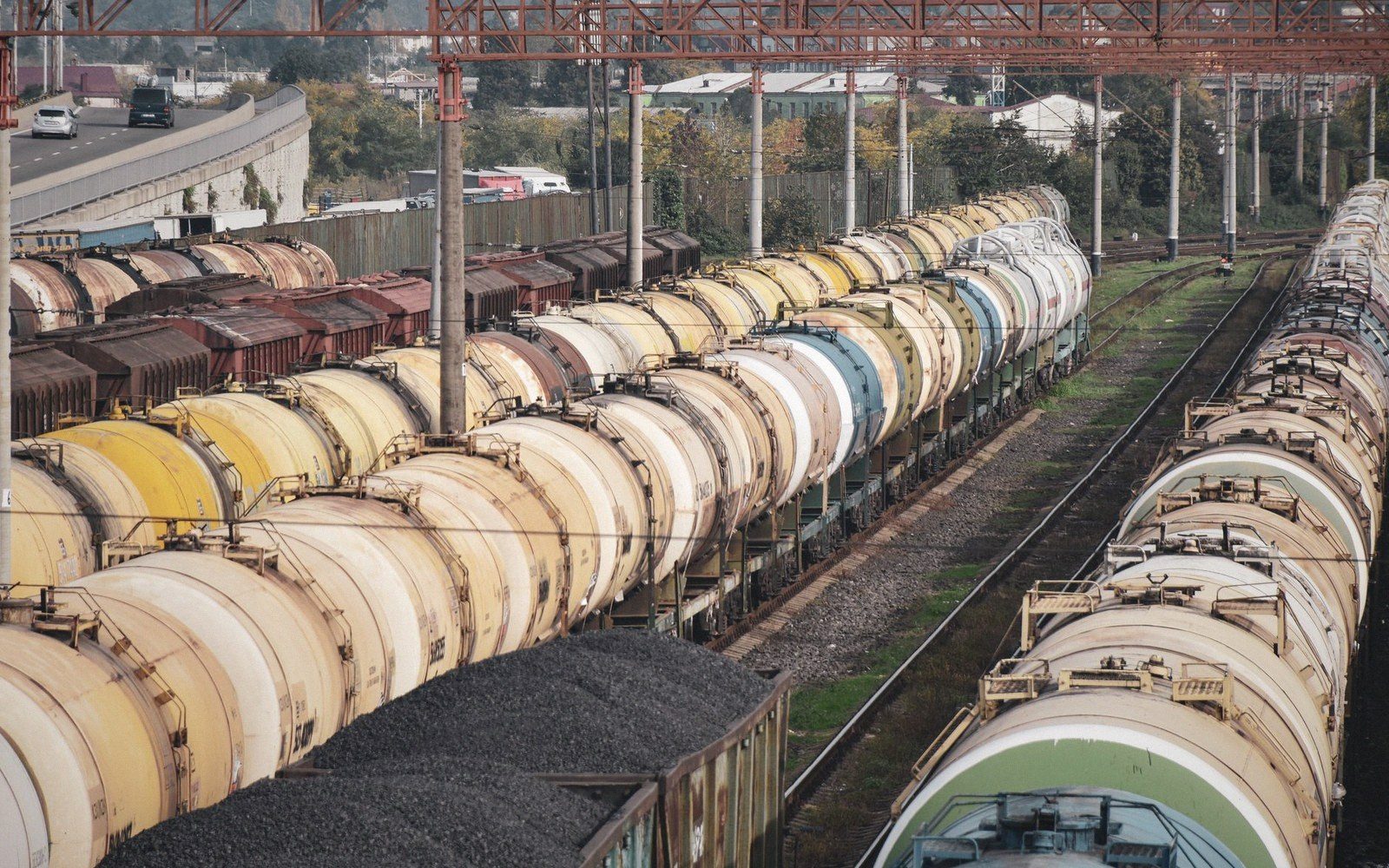
Plate 03The MachinePhoto: Artem Makarov / Pexels
Count the wagons and you have the division’s day — ammunition, fuel and rations in the only unit that actually settles an argument.
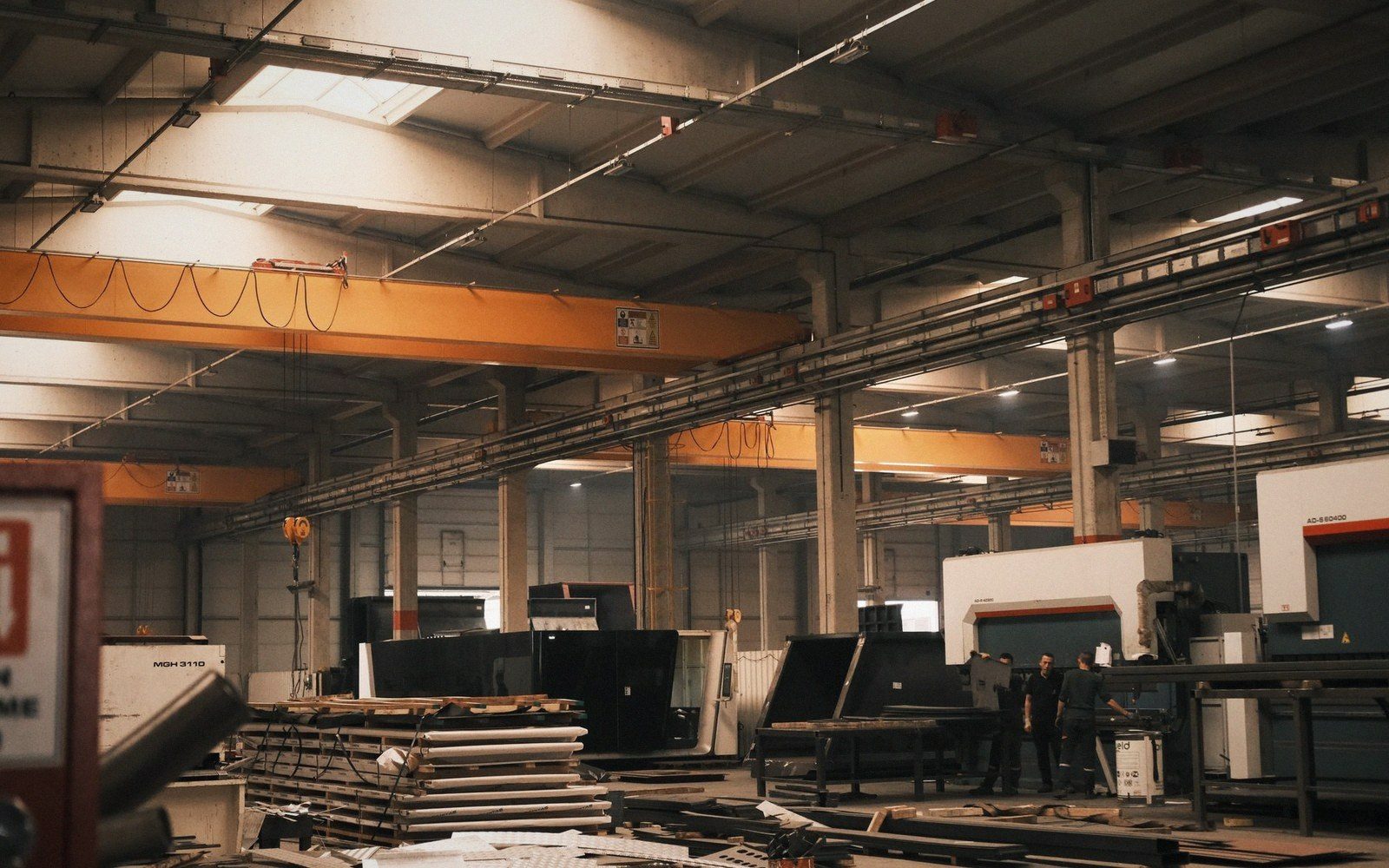
Plate 04The MachinePhoto: Cemrecan Yurtman / Pexels
Bays, cranes and jig frames. Monthly output was set by this layout long before a target was announced for it.
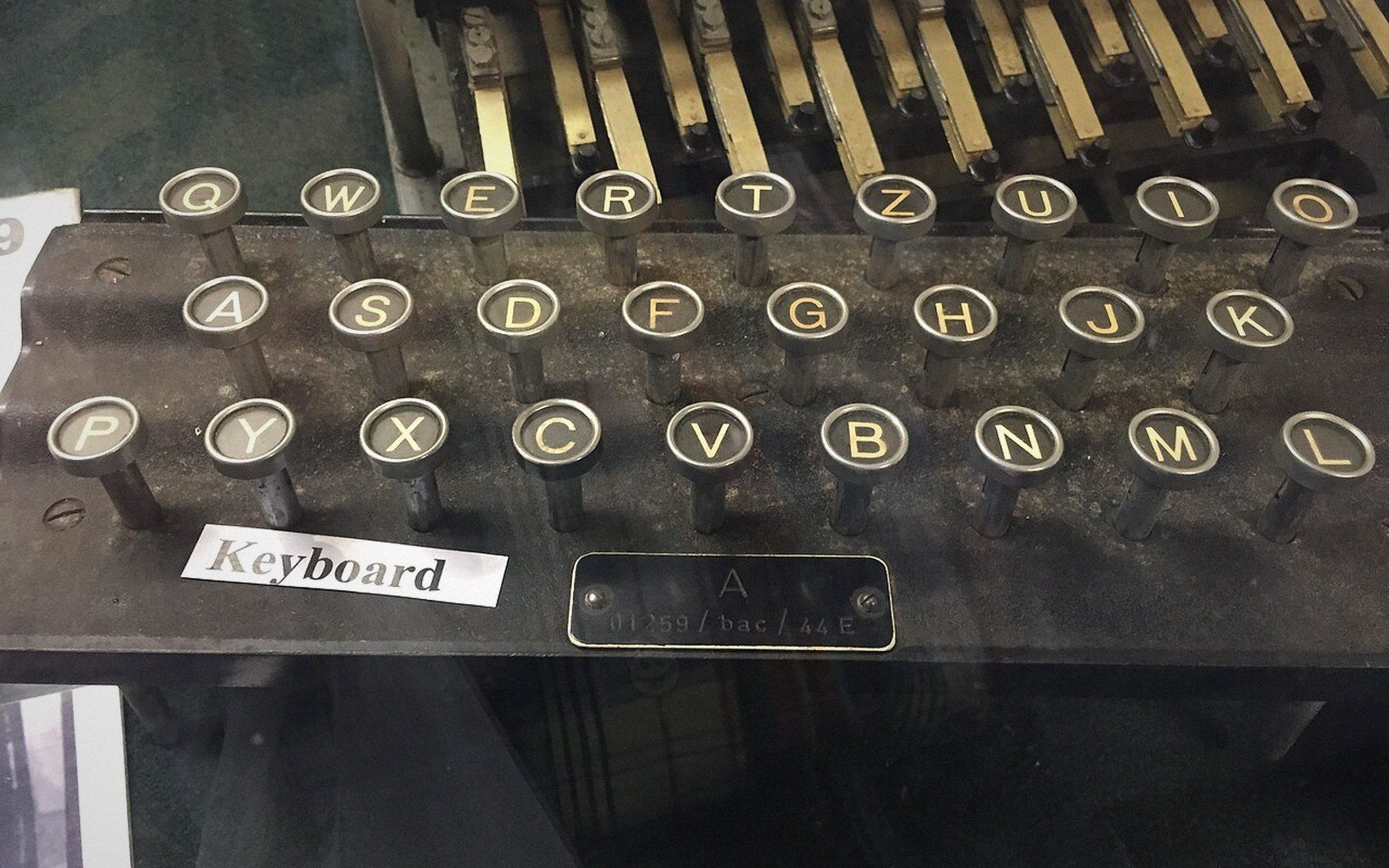
Plate 05Signals and SilencePhoto: Enigma keyboard at MITflea.agr.jpg · Wikimedia Commons
A keyboard, a rotor stack and a reflector. The machine’s weaknesses were procedural, and they sat on this side of it.

Plate 06Signals and SilencePhoto: Đan Thy Nguyễn Mai / Pexels
A bare map table under one lamp. Warning that reaches a room like this and stops there has not been received.
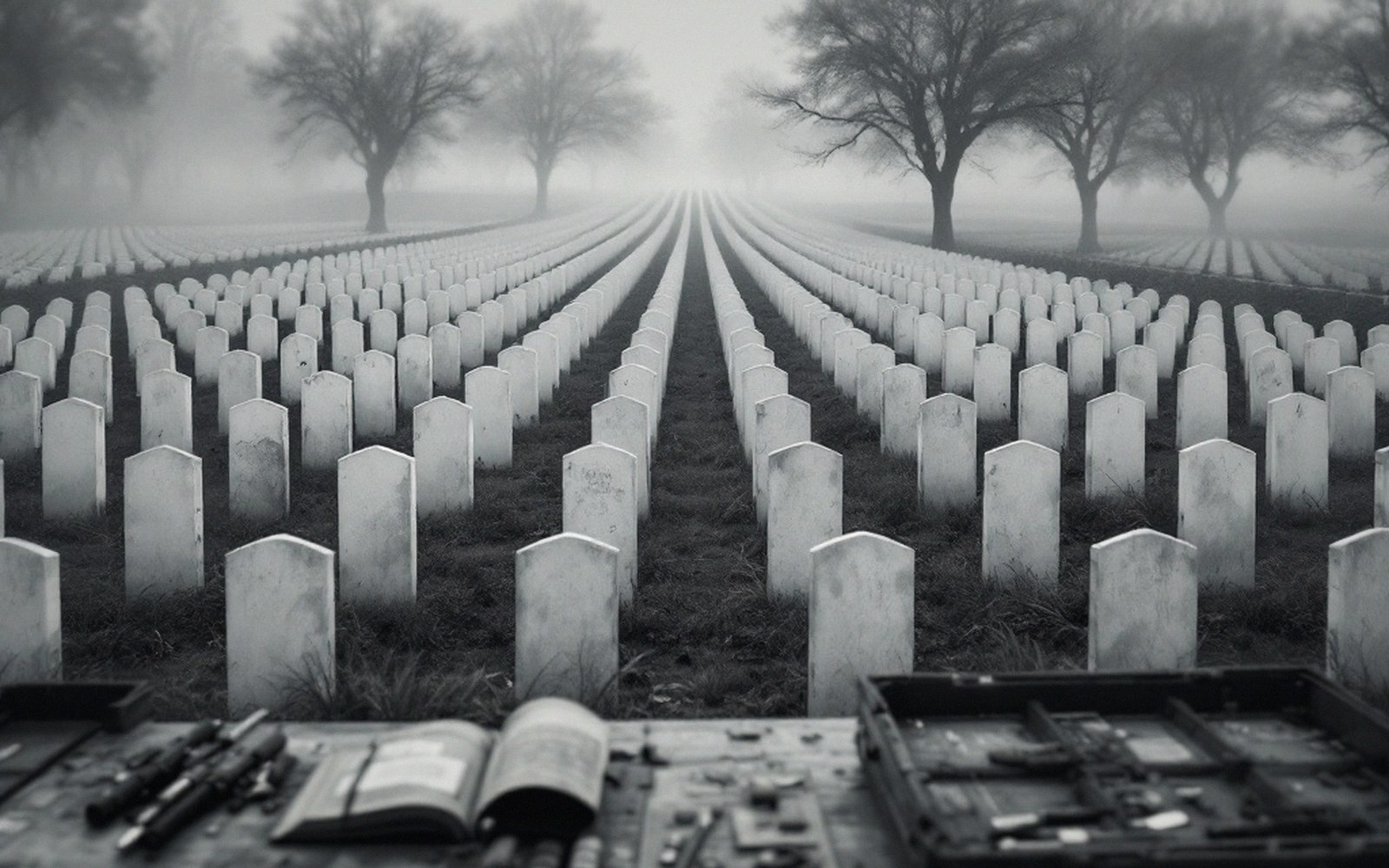
Plate 07After the MapsIllustration: generated
Even rows are an administrative act. The aftermath was surveyed, counted and costed with the same instruments used to plan the war.
The pieces these plates belong to
The Logistics of Torch
The Allied landings in North-West Africa in November 1942 are usually described as a race — could the Anglo-American force reach Tunisia before the Axis could reinforce it?
The Fuel That Stopped Market Garden
The standard explanation blames the fuel. The arithmetic says otherwise.
Sixty Wagons Is a Division's Day
A German infantry division on the Eastern Front needed roughly 300 tonnes of supplies daily to fight. That figure translated directly into rolling stock — and rolling stock was always the binding constraint.
The Floor Plan Is the Production Figure
Before the first B-24 rolled off the line at Willow Run, the plant's monthly output was already largely determined — written into the concrete, the column bays and the overhead steel.
A Machine That Only Ever Produced a Different Alphabet
Enigma encoded a letter by substituting it — but no letter could ever substitute for itself. That single mechanical constraint handed cryptanalysts the first edge.
The Silence Before Barbarossa
By the spring of 1941, the Soviet intelligence apparatus had accumulated an extraordinary volume of material pointing toward a German invasion.
What the Rubble Figures Mean
The destruction surveys of 1945–46 were working documents, not elegies — and reading them as such changes what they tell you.