Section 2 of 5
The Machine
Equipment, production and the industrial systems behind the armies — what things could actually do and what it cost to keep them moving.
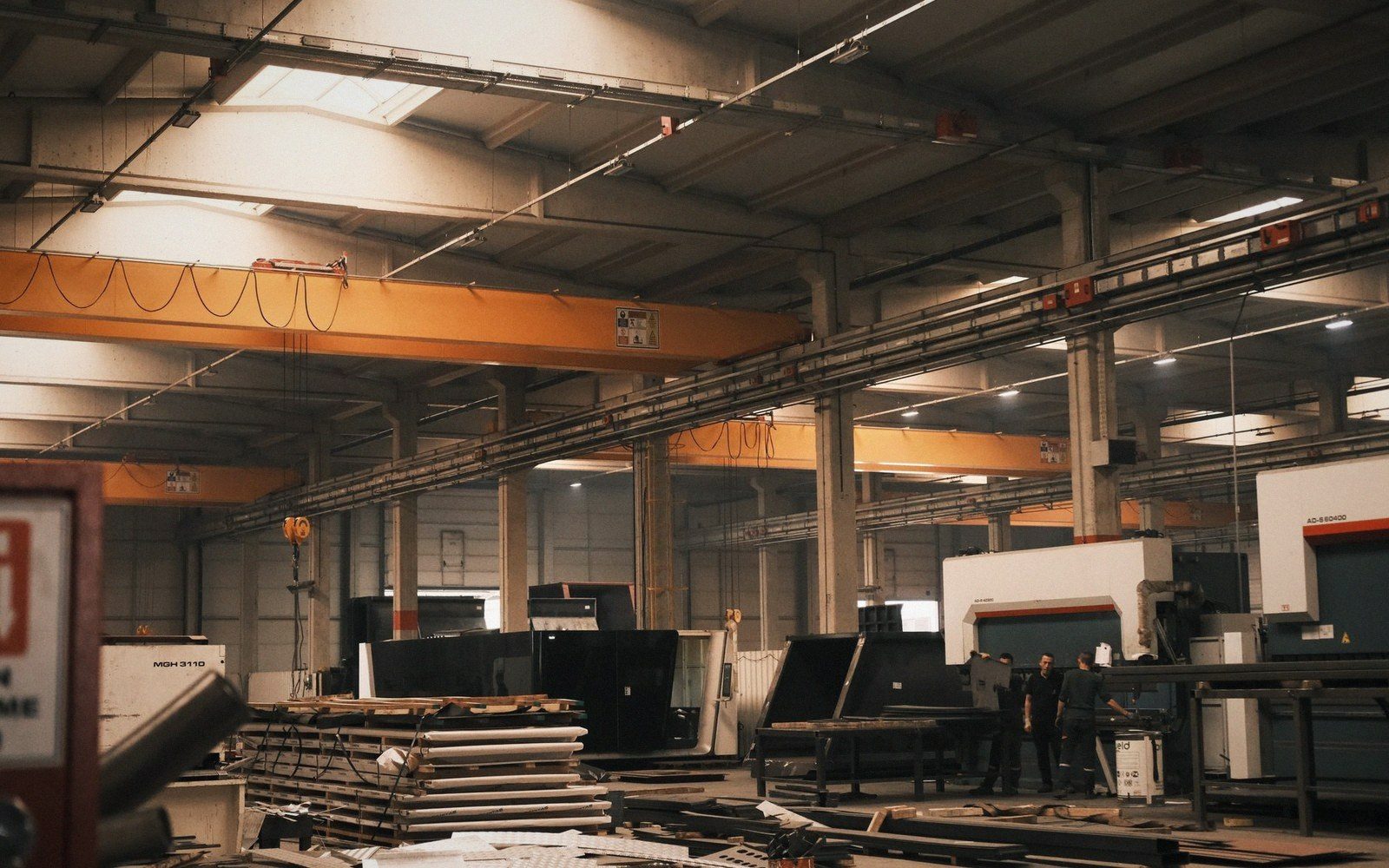
Plate 02Photo: Cemrecan Yurtman / Pexels
Bays, cranes and the distance a subassembly travels between them — the floor plan is the production figure.
Everything filed in The Machine
-
Sixty Wagons Is a Division's Day
A German infantry division on the Eastern Front needed roughly 300 tonnes of supplies daily to fight. That figure translated directly into rolling stock — and rolling stock was always the binding constraint.
-
The Floor Plan Is the Production Figure
Before the first B-24 rolled off the line at Willow Run, the plant's monthly output was already largely determined — written into the concrete, the column bays and the overhead steel.
-
What a Liberty Ship Could Carry
A Liberty ship — the EC2-S-C1 type built in American yards from 1941 onward — had a deadweight tonnage of approximately 10,800 tons and roughly 9,146 tons of cargo capacity in practice.
-
The Engine That Broke First
Why armoured vehicles rarely failed in the way their designers intended — and what that meant for the quartermaster.
-
Roads or Rail: the German Quartermaster's Choice
On the Eastern Front, every ton of supplies arrived by one of two networks. The difference between them was not a matter of preference — it was a matter of arithmetic.
-
How a Tank Factory Changed Shifts
Soviet tank output figures for 1942 are well known in headline form. The mechanisms behind them are less discussed.
Other sections